This post may contain affiliate links. If you make a purchase through these links, I earn a small commission at no extra cost to you.
I’ll never forget my first flight with my newborn. I was so overwhelmed by the regulations, the gear requirements, and honestly, the fear of traveling with such a tiny human. But here’s what I discovered: flying with a baby is totally doable when you know the rules and have the right gear packed.
Whether you’re planning a family vacation, heading home for the holidays, or visiting grandparents across the country, understanding FAA regulations about car seats, bassinets, and travel gear will make your journey infinitely smoother. Let me walk you through everything I’ve learned (and wish I’d known earlier!).
Can You Bring a Car Seat on an Airplane?
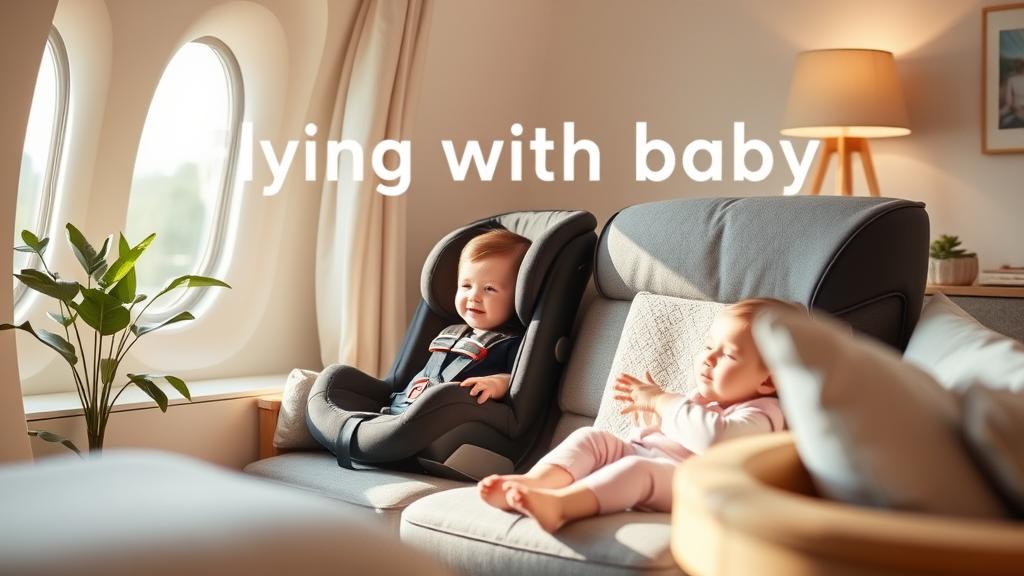
Yes! You absolutely can bring a car seat on a plane, and honestly, I recommend it. The FAA actually encourages parents to use approved car seats during flight for safety reasons. Here’s what you need to know:
FAA-Approved Car Seats: Your car seat must be FAA-approved, which most modern car seats are. Look for a label on your seat that says “This restraint is certified for use in motor vehicles and aircraft.” If you’re unsure, check the manufacturer’s manual or contact the car seat company directly.
How to Use It: You’ll need to purchase a seat for your baby (they can’t sit in your lap during flight), and you can install the car seat in your assigned seat using the airplane’s seat belt. It’s the same installation method as in your car. Your baby will be secured in the car seat during takeoff, landing, and whenever the seatbelt sign is illuminated.
Gate-Checking: Here’s a game-changer: you can gate-check your car seat for free. This means you bring it to the gate, they check it at the last moment, and it’s loaded into the cargo hold. You’ll get it back at your destination. This is perfect if you’re short on lap space or want to keep your hands free during boarding.
I always gate-check my car seat when flying with my kids. It saves me from wrestling with installation at 30,000 feet and ensures the seat is protected during flight.
Understanding Bassinets and Bulkhead Seating
If you’re flying with an infant under 20-22 pounds (depending on the airline), you might be eligible for a bassinet—one of the best-kept secrets of family air travel!
What’s a Bassinet? Airlines provide small bassinets that attach to the bulkhead wall (the wall at the front of the cabin). Your baby can sleep in this bassinet during the flight, giving you a break from holding them. It’s a game-changer for longer flights.
How to Request One: Bassinets are typically available on international and long-haul flights, but some domestic flights offer them too. You must request one when booking your ticket or call the airline directly. They’re first-come, first-served, so book early. Most airlines allow one bassinet per flight, so availability is limited.
Bassinet Requirements: Your baby must be under the airline’s weight limit (usually 20-22 pounds) and meet minimum length requirements. You’ll need to remove your baby from the bassinet during turbulence and when the seatbelt sign is on.
Pro Tip: Even if you have a bassinet reserved, bring a familiar blanket or sleep sack. Bassinets are pretty basic, and having something familiar can help your baby settle in. I always pack a lightweight sheet that fits snugly.
Essential FAA Rules Every Parent Should Know
The FAA has specific regulations about infant and child safety during air travel. Let me break down the most important ones:
Lap Children Under 2: Children under 2 can legally sit in a parent’s lap without their own seat. However, the FAA and pediatricians recommend purchasing a seat and using an approved car seat or harness device. I always purchase a seat—the safety benefit is worth the extra cost.
Children 2 and Older: Children 2 years and older must have their own seat and must be restrained during flight using either a car seat, harness device, or the airplane’s seatbelt.
Approved Restraint Systems: Beyond car seats, the FAA approves certain harness devices like the CARES harness or similar FAA-approved harness. These are lighter and more compact than car seats, making them popular for travel. However, they only work for children weighing 22-44 pounds and ages 1-8 years.
Booster Seats: Backless booster seats are not approved for airplane use. If your child is too big for a car seat but still needs a booster, you’ll need to use the airplane’s seatbelt with a seat belt positioning device designed for aircraft, or purchase a harness device.
Stroller and Car Seat Compatibility: Make sure your car seat clicks into your stroller frame if you’re using a travel system. This saves space and makes navigating airports much easier. I’m obsessed with my lightweight stroller that accepts my car seat—it’s been a lifesaver.
Packing and Travel Tips for Smooth Flights
Now that you understand the regulations, let’s talk logistics:
Check Your Airline’s Policies: Before you fly, contact your specific airline. Policies vary regarding bassinets, baggage allowances for car seats, and gate-checking procedures. Some airlines are more flexible than others, and you want to know what to expect.
Protect Your Car Seat: Invest in a car seat travel bag or protective case. This keeps your seat clean and protected during handling. Car seat travel bag with wheels makes navigating airports so much easier—you can roll it like luggage instead of carrying it.
Arrive Early: Give yourself extra time at the airport. You’ll need time to check baggage, potentially check your car seat at the gate, and get through security with baby gear. I always aim for 3 hours early for domestic flights with my kids.
Pack Strategically: Keep essentials accessible—diapers, wipes, a change of clothes, and a pacifier or bottle in your personal bag. Gate-check your car seat so you have it immediately upon landing, and use the stroller to transport your baby and bags through the airport.
Use TSA PreCheck or CLEAR: If you fly regularly, these programs are worth the investment. They speed up security lines significantly when traveling with kids.
Download Airline Apps: Check in online, track your flight, and have your boarding pass digital. One less thing to manage while managing your kids.
Making the Flight Comfortable for Everyone
Beyond regulations and gear, here are my tried-and-true tips for a peaceful flight:
Timing Matters: When possible, book flights that align with your baby’s sleep schedule. A morning nap flight means your baby might sleep through the flight (and you might too!).
Feed During Takeoff and Landing: Nursing or bottle-feeding helps equalize ear pressure and keeps your baby calm during these potentially uncomfortable moments.
Bring Entertainment: Pack new toys or books your baby hasn’t seen before. The novelty keeps them engaged and happy.
Dress in Layers: Airplane cabins are unpredictable. Layer your baby’s clothing so you can adjust as needed.
Stay Hydrated: Airplane air is dry. Keep water handy for yourself and offer water to older babies and toddlers regularly.
Key Takeaways
- FAA-approved car seats are allowed on planes and recommended for safety; look for the certification label on your seat
- You can gate-check car seats for free, which protects your seat and simplifies boarding
- Bassinets are available on many flights for infants under 20-22 pounds—request one when booking
- Children under 2 can sit in a parent’s lap legally, but purchasing a seat with a car seat is safer
- Approved harness devices are lightweight alternatives for children 22-44 pounds and ages 1-8
- Always verify your specific airline’s policies before flying
- Invest in protective gear like a car seat travel bag to keep your equipment safe
- Arrive early, pack strategically, and time flights around your baby’s sleep schedule for maximum comfort
Final Thoughts
Flying with a baby might seem daunting, but you’ve got this! Understanding the FAA rules and having the right gear makes all the difference. I’ve flown with my kids more times than I can count now, and what seemed overwhelming the first time is second nature today.
The key is preparation: know the regulations, invest in quality gear that makes your life easier, and give yourself grace. Some flights will be perfect, and some will be chaotic. That’s parenthood, whether you’re at 30,000 feet or on the ground.
Have you flown with your baby? I’d love to hear about your experience in the comments! Share your best travel tips and favorite gear recommendations—let’s help each other make family travel a little less stressful.
Safe travels, mama! ✈️